SolarEdge Home Hub Inverter and Energy Bank Setup Guide
Updated 7 September 2026 · By SolarNevs Research Desk, Dealer surveys + verified sources · Method ↗
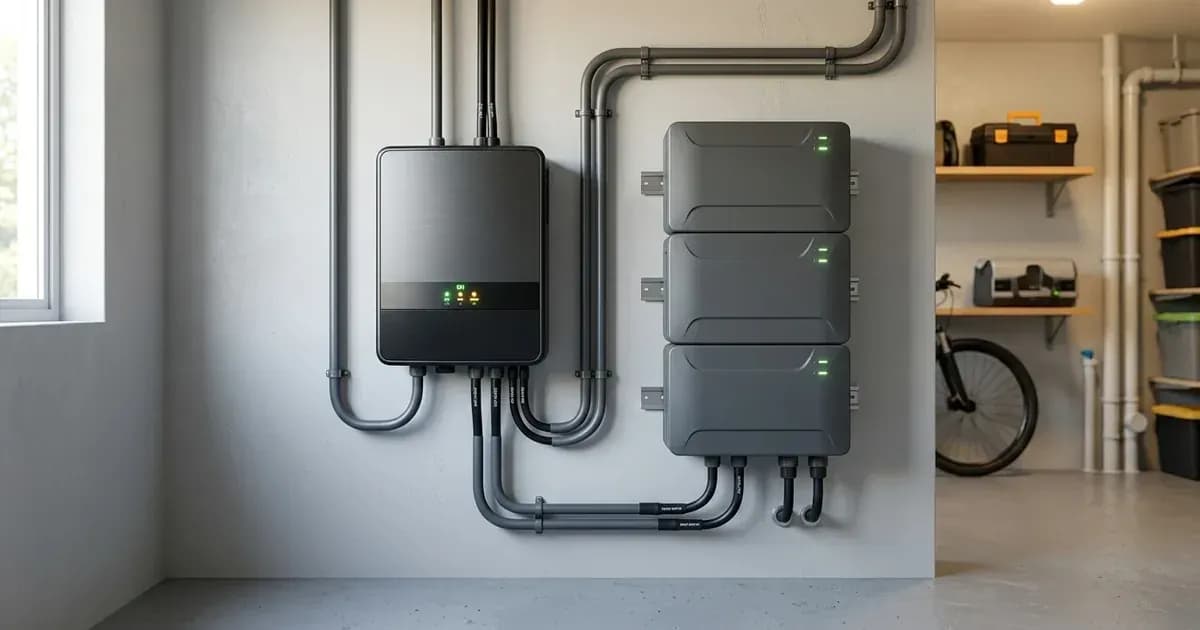
Setting up a SolarEdge Home Hub Inverter with an Energy Bank 10kWh battery creates a robust DC-coupled energy storage system for residential and commercial applications. This guide details the core architecture, commissioning steps, and essential safety protocols for a successful installation.
Understanding the SolarEdge Home Hub System
The SolarEdge Home Hub Inverter and Energy Bank 10kWh battery are designed to work seamlessly together, forming a high-voltage DC-coupled system. This architecture optimizes energy flow and efficiency.
DC-Coupled High-Voltage Architecture
The SolarEdge Energy Bank connects directly to the high-voltage DC bus of the Home Hub Inverter. This direct DC coupling ensures efficient power transfer between the solar array, battery, and inverter, minimizing conversion losses. The system is engineered for both single-phase and three-phase residential solar energy storage installations globally.
Wireless Communication: SolarEdge Home Network
Communication between the Home Hub Inverter, Energy Bank battery, and other smart energy devices occurs wirelessly via the SolarEdge Home Network. This integrated network simplifies installation by reducing the need for extensive communication wiring.
Automatic Backup Power: The Backup Interface
For installations requiring backup power, the SolarEdge Backup Interface automatically isolates the home from the grid within milliseconds during blackouts. This ensures a seamless transition to battery power, maintaining essential loads during outages.
Commissioning Your System with SetApp
The SolarEdge SetApp mobile application streamlines the commissioning process for your Home Hub Inverter and Energy Bank system.
Step-by-Step SetApp Commissioning
- Download SetApp: Ensure you have the SolarEdge SetApp mobile app installed on your device.
- Connect Wirelessly: Use SetApp to connect wirelessly to the Home Hub Inverter.
- Commission Inverters: Follow the app's prompts to commission the inverter.
- Pair Batteries: Pair the Energy Bank 10kWh battery with the inverter through the app.
- Configure Grid Parameters: Set up the necessary grid parameters according to local regulations.
Safety and Compliance Features
SolarEdge systems incorporate several safety features and comply with international standards to ensure reliable and safe operation.
Module-Level Rapid Shutdown
SolarEdge power optimizers provide automatic module-level rapid shutdown. This feature is compliant with international safety standards, enhancing safety for installers and emergency responders by quickly de-energizing PV modules.
High-Voltage DC Disconnect Procedure
Before performing any servicing, it is critical to follow the proper DC disconnect procedure to ensure safety.
Safety Warning: Turn off the battery DC switch and wait at least 5 minutes for internal capacitors to discharge before servicing. Failure to do so can result in serious injury or death from high voltage.
Protective Earthing
To ensure electrical safety, bond the inverter chassis ground and the Energy Bank battery metal enclosure to the main installation earthing terminal. This provides a safe path for fault currents.
Grid Code Compliance
The SolarEdge Home Hub Inverter system is certified for anti-islanding protection across multiple international grid standards, including UL 1741-SB, AS/NZS 4777.2, VDE-AR-N 4105, and UK G99, reflecting the range of markets SolarEdge ships this hardware into. For a Pakistani installation, the standard that actually governs grid interconnection is NEPRA's net metering framework, which requires anti-islanding protection referencing UL 1741 and IEEE 1547 — the AS/NZS 4777.2, VDE-AR-N 4105, and G99 profiles apply to Australia/NZ, Germany, and the UK respectively and are not enforced by NEPRA or Pakistan's DISCOs.
Installation Considerations
When installing multiple Energy Bank batteries in parallel, always install the SolarEdge DC branch cables per manufacturer torque specifications. Adhering to these specifications is crucial for maintaining proper electrical connections and system integrity.
Still showing the fault? Book a technician
If the steps above did not clear it, tell us the inverter or battery and the exact code. We pass it to a technician who covers your city; visit charges are quoted before they come.
How this pays for the site: the technician or verifier pays SolarNevs a fixed introduction fee. Nobody pays to be recommended, and you are free to use our free guides instead.
Frequently asked questions
What are the essential requirements for solaredge home hub inverter and energy bank setup guide?
Verify system specifications, local regulations, and standard installation safety procedures prior to commissioning.
How do I ensure regulatory compliance?
Ensure all equipment is approved on relevant regulatory registries and installed by accredited certified professionals.
Related guides
More from inverter errors & fixes.