Solis Inverter Grid Overvoltage Alarms (OV-G-V01, OV-G-V04, OV-G-V05) Troubleshooting
Updated 7 September 2026 · By SolarNevs Research Desk, Dealer surveys + verified sources · 1 source · Method ↗
Key Takeaways
- Grid overvoltage alarms (OV-G-V01, OV-G-V04, OV-G-V05) mean the utility grid voltage is too high, causing the inverter to disconnect for safety.
- The first step is to visually inspect AC wiring and restart the inverter.
- Always ensure the inverter is fully de-energized and cooled before touching any connections.
- If the alarm persists after basic checks, a qualified technician is required to diagnose grid stability or internal inverter faults.
What do Solis Inverter Grid Overvoltage Alarms OV-G-V01, OV-G-V04, and OV-G-V05 mean?
Solis inverter grid overvoltage alarms, including codes like OV-G-V01, OV-G-V04, and OV-G-V05, indicate that the voltage from the utility grid has exceeded the inverter's predefined upper limits. The inverter, such as models in the Solis S5-EH1P-L Hybrid Inverter Series, will automatically disconnect from the grid to protect itself and connected loads from potential damage. This is a safety feature designed to ensure stable and safe operation within local grid regulations.
Diagnosis
Before proceeding with any physical inspection, always ensure the inverter is safely shut down, de-energized, and capacitors have discharged for at least 5 minutes, and wear protective gloves, as detailed in the Safety section.
When your Solis inverter displays a grid overvoltage alarm, follow these steps to diagnose the issue. Always prioritize safety during any inspection.
- Identify the Specific Alarm Code:
- Check the inverter's LCD display for the exact alarm message. Note down codes such as
OV-G-V01,OV-G-V04,OV-G-V05,OV-G-V02,OV-G-V03,OV-G-V05,Surge Alarm, orGRID-INTF02. Each code points to a specific type of grid voltage anomaly.
- Check the inverter's LCD display for the exact alarm message. Note down codes such as
- Verify Grid Voltage Stability:
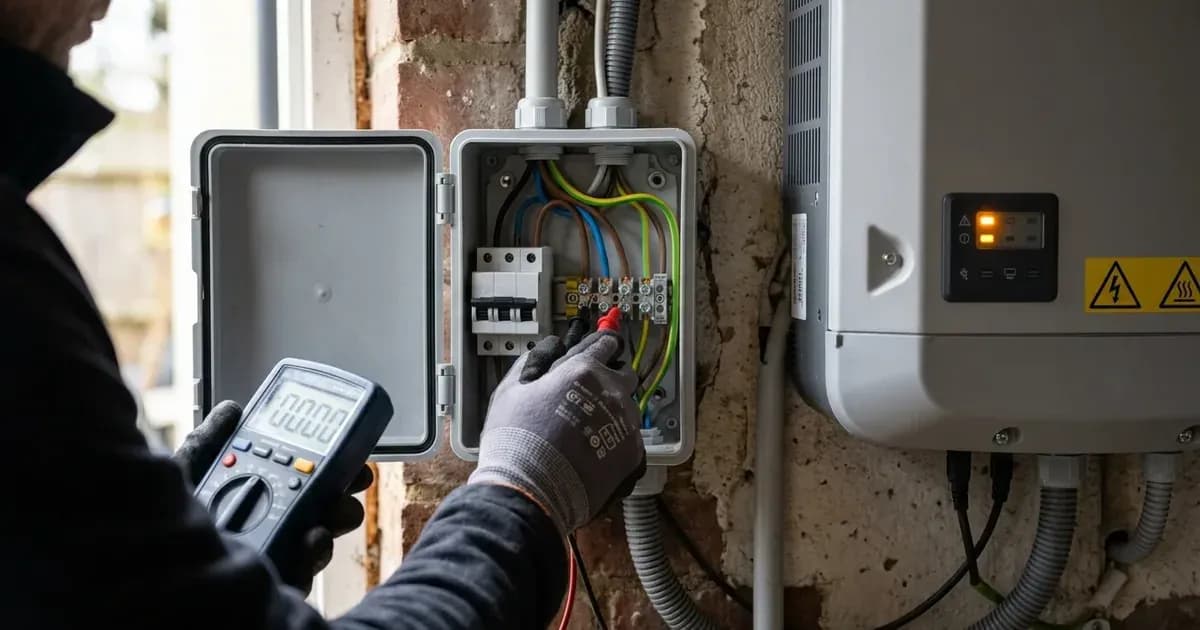
- Use a multimeter to measure the incoming AC voltage from the utility grid at your main electrical panel. This step should only be performed by a qualified technician due to the high voltage and risk of electric shock at the main electrical panel. Compare this reading to your expected grid voltage (e.g., 230V).
- Observe if the voltage fluctuates significantly or consistently reads above the nominal range. This can indicate an unstable grid supply.
- Inspect AC Cable Connections:
- Visually inspect external AC cable connections between the Solis inverter and your electrical panel, and from the panel to the utility grid. Look for any loose, corroded, or damaged wiring. Any inspection requiring access to internal wiring or electrical panels must be performed by a qualified technician.
- Ensure that the AC cable is securely terminated at both ends. Loose connections can lead to voltage irregularities.
- Check for Grid Disturbances:
- Consider if there have been any recent power fluctuations, outages, or electrical work in your area that might affect grid stability. Local grid issues are a common cause of these alarms.
- Restart the Inverter:
- Safely shut down the inverter following the manufacturer's instructions. This typically involves disconnecting the AC input, then the PV input, and finally the battery.
- Wait for at least 5 minutes to allow internal capacitors to discharge.
- Restart the inverter by reconnecting AC, then the PV input, and finally the battery. Observe if the alarm clears or reappears.
Cause/fix table section
Before performing any physical checks mentioned in this table, ensure the inverter is safely de-energized, capacitors have discharged for at least 5 minutes, and protective gloves are worn. All physical checks and system restarts in this table must be performed by a qualified technician following all safety protocols, including the correct inverter startup procedure (AC, then PV, then battery).
Symptom detail | Likely cause | Fix |
|---|---|---|
Inverter displays | Grid voltage exceeds the upper voltage range | Confirm whether the power grid is abnormal. Confirm that the AC cable is properly connected. Restart the system and check if the fault persists. |
Inverter displays | Grid transient overvoltage | Confirm whether the power grid is abnormal. Confirm that the AC cable is properly connected. Restart the system and check if the fault persists. |
Inverter displays | Grid voltage RMS instantaneous overvoltage fault | Confirm whether the power grid is abnormal. Confirm that the AC cable is properly connected. Restart the system and check if the fault persists. |
Inverter displays | On-site grid surge | Confirm whether the power grid is abnormal. Confirm that the AC cable is properly connected. Restart the system and check if the fault persists. |
Inverter displays | Power grid disturbance 02 | Confirm whether the grid is seriously distorted. Check whether the AC cable is connected reliably. |
Grid Protection Behavior
Solis S5-EH1P-L Hybrid Inverters are designed with built-in grid protection features to ensure safe and compliant operation. When the inverter detects that the utility grid voltage exceeds its programmed upper voltage range, it will trigger an alarm such as OV-G-V01 or OV-G-V04 and disconnect from the grid. This action prevents the inverter from feeding power into an unstable grid, which could damage the unit or pose a safety risk.
The inverter continuously monitors grid parameters. Once the grid voltage returns to within the acceptable operating range, and after a brief stabilization period, the inverter will typically attempt to reconnect automatically. If the grid remains unstable or the overvoltage condition persists, the inverter will remain disconnected and the alarm will continue to be displayed. The specific numerical thresholds for these grid protections are not detailed in the manual's troubleshooting section but are part of the inverter's internal programming to comply with local safety regulations.
Safety
Working with solar inverters and electrical systems carries significant risks. Always observe the following safety precautions:
- Qualified Personnel Only: Operations on the inverter must be performed by a licensed technician or a Solis authorized person.
- Electrical Standards: All electrical installations must comply with local and national electrical safety standards.
- De-energize Before Work: Before performing any maintenance or inspection, turn OFF the inverter. Disconnect the utility grid, then the PV input, and finally the battery.
- Wait for Discharge: Do not touch any inner live parts until 5 minutes after disconnection from the utility grid and the PV input, as energy can be stored in capacitors.
- Wear Protective Gear: An operator must wear technicians’ gloves during the entire process to protect against electrical hazards.
- Hot Surfaces: The surface temperature of the inverter can reach up to 75℃ (167℉). To avoid burns, do not touch the surface of the inverter while it is operating or immediately after shutdown. Allow it to cool down.
- No Unauthorized Access: Do not remove the inverter cover. There are no user-serviceable parts inside. Removing the cover without authorization may void the warranty.
- AC Cable Isolation: Ensure the AC cable is totally isolated from AC power before connecting or disconnecting any components related to the grid, such as a Smart Meter and CT.
When to call a technician instead
While you can perform initial checks like inspecting wiring (always following safety protocols for de-energization and protective gear) and restarting the system, persistent grid overvoltage alarms often indicate issues beyond basic troubleshooting. You should call a qualified and accredited service technician or Solis authorized personnel if:
- The
OV-G-V01,OV-G-V04,OV-G-V05, or other grid-related alarms persist after you have checked all AC cable connections and restarted the inverter. - You measure unstable or consistently high voltage from the utility grid, indicating a problem with your electricity supply.
- You are unsure about any step in the diagnosis process or are uncomfortable working with electrical components.
- The inverter displays any internal fault codes that are not directly related to grid overvoltage, or if the manual suggests contacting customer service for the specific fault.
Attempting to open the inverter or perform unauthorized repairs can lead to electric shock, damage to the unit, and will void the product warranty. Advanced settings are for authorized technicians only; improper access and operation may result in abnormal results and damage to the inverter.
Still showing the fault? Book a technician
If the steps above did not clear it, tell us the inverter or battery and the exact code. We pass it to a technician who covers your city; visit charges are quoted before they come.
How this pays for the site: the technician or verifier pays SolarNevs a fixed introduction fee. Nobody pays to be recommended, and you are free to use our free guides instead.
Frequently asked questions
What do Solis inverter grid overvoltage alarms mean?
Solis inverter grid overvoltage alarms like OV-G-V01, OV-G-V04, and OV-G-V05 indicate that the utility grid voltage has exceeded the inverter's safe operating limits. The inverter disconnects from the grid as a protective measure to prevent damage.
What should I check first when a Solis inverter shows a grid overvoltage alarm?
First, check the inverter's display for the specific alarm code. Before any physical inspection, safely shut down the inverter by disconnecting the AC input, then the PV input, and finally the battery. Wait at least 5 minutes for capacitors to discharge and wear protective gloves. Only then, visually inspect *external* AC cable connections between the inverter and the grid for looseness or damage. Any inspection requiring access to internal wiring or electrical panels must be performed by a qualified technician. Finally, restart the inverter (reconnecting AC, then PV, then battery) to see if the fault clears. If the issue persists or requires opening the inverter, contact a qualified technician to avoid electric shock or voiding the warranty.
Can I fix a Solis inverter grid overvoltage alarm myself?
You can perform initial checks like inspecting wiring (after safely de-energizing the inverter, waiting for capacitor discharge, and wearing protective gloves, as outlined in the previous FAQ) and restarting the system. However, if the grid overvoltage alarm persists, it often points to an unstable grid or an internal inverter issue that requires a qualified technician. Do not attempt internal repairs.
What is the typical cause of a Solis inverter grid overvoltage alarm?
The most common cause is an abnormal utility grid voltage that temporarily or consistently exceeds the inverter's programmed upper voltage range. This can be due to grid instability, local electrical issues, or a grid surge.
When should I call a technician for a Solis grid overvoltage alarm?
You should call a qualified technician if the grid overvoltage alarm persists after checking AC connections and restarting the system. Persistent grid issues or internal inverter faults require professional diagnosis and repair, especially since opening the inverter can void the warranty.
References
- Solis S5-EH1P-L Hybrid Inverter Manual — accessed 23 August 2026
Related guides
More from inverter errors & fixes.