Victron Dynamic ESS Setup and Smart Tariffs Guide
Updated 8 September 2026 · By SolarNevs Research Desk, Dealer surveys + verified sources · 2 sources · Method ↗
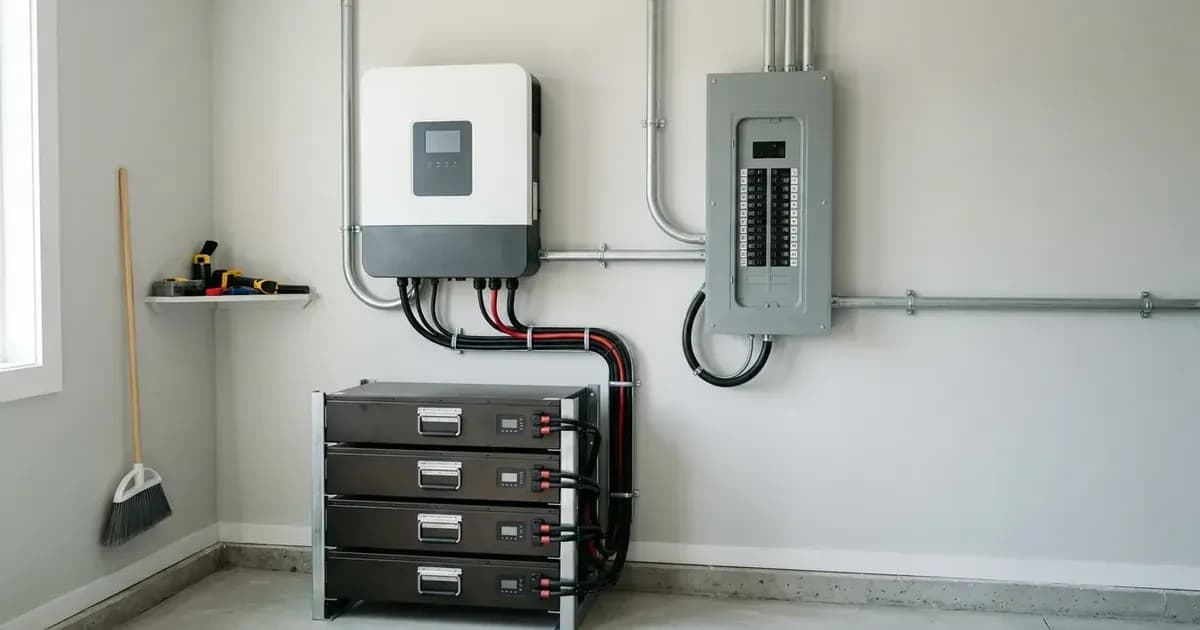
Victron Dynamic ESS is an advanced energy management system designed to optimize battery usage in response to fluctuating electricity prices. By integrating with day-ahead spot pricing APIs, it automates charging and discharging cycles to minimize energy costs for homeowners and businesses. This guide explains how to set up and leverage Dynamic ESS on your Victron system.
What is Victron Dynamic ESS?
Dynamic ESS is a Victron Energy feature that uses hourly day-ahead electricity prices to minimize energy costs. It achieves this by automatically charging and discharging your battery at optimal times. This system is particularly beneficial in markets with variable or "smart" tariffs, where electricity prices change throughout the day, sometimes even becoming negative.
How Dynamic ESS Optimizes Energy Costs
The core function of Dynamic ESS is to calculate an optimal battery schedule based on future electricity prices and solar forecasts.
Price Data and Forecasts
Dynamic ESS fetches the latest day-ahead hourly spot prices daily from supported energy price providers via the VRM portal. These price curves, combined with your system's solar forecast, inform the system's decisions.
Target State of Charge (SoC) Calculation
Based on this data, the system calculates a continuous Target State of Charge (Target SoC) schedule for the upcoming 24 hours. This schedule dictates when the battery should charge from the grid (during low-price periods) or discharge to power your home or export to the grid (during high-price periods).
Automated Charging and Discharging
The system automatically charges the battery from the grid during negative or ultra-low electricity price windows. Conversely, it allows selling energy to the grid during peak pricing hours if the feed-in tariff exceeds the marginal battery degradation cost.
Key Features and Configuration
Dynamic ESS offers several configurable parameters and integrates with existing Victron ESS functionalities.
Battery Cycle Cost Setting
To prevent uneconomic micro-cycling, homeowners can configure the battery cost per cycle. This value, for example, can be set between 0.05 to 0.15 currency units/kWh. This ensures the system only cycles the battery when the cost savings outweigh the battery's degradation cost.
Solar Priority Override
The system prioritizes direct solar PV consumption and battery charging before initiating grid import during low tariff periods. This ensures maximum utilization of self-generated renewable energy.
Peak Shaving Integration
Dynamic ESS retains active Peak Shaving functionality. This prevents your system from exceeding contracted grid maximum demand limits, regardless of the prevailing electricity price.
ESS Mode Integration
Dynamic ESS integrates seamlessly with standard Victron ESS operating modes, including "Optimized with BatteryLife" or "Optimized without BatteryLife." This allows you to combine the benefits of dynamic pricing with Victron's established battery health management.
System Requirements and Compatibility
To implement Dynamic ESS, specific hardware and software conditions must be met.
Venus OS and Internet Connectivity
Dynamic ESS requires a GX device running Venus OS version 3.30 or newer. This device must be connected to the internet and registered on VRM to access price data and forecasts.
Inverter/Charger Compatibility
The system is fully compatible with MultiPlus-II, MultiPlus, and Quattro inverter/chargers. These devices must be running VE.Bus firmware 4xx or higher.
Manual Mode Fallback
In the event of an internet connection or price feed loss, Dynamic ESS automatically reverts to standard ESS self-consumption mode. This ensures continuous power supply and basic energy management even without real-time price optimization.
Get three dated installer quotes for this system
Tell us your city and your summer electricity bill. We pass your number to up to three vetted installers who quote against the surveyed prices on this page, so nobody can quote you Rs 5 a watt over market.
How this pays for the site: installers pay SolarNevs a fixed introduction fee when we pass them a genuine enquiry. They cannot pay to appear higher, and our surveyed prices are published before any introduction. You can also take our dated price tables straight to any installer.
Frequently asked questions
What are the main configuration steps for victron dynamic ess setup and smart tariffs guide?
Configuration is performed via the GX Touch interface, VRM Portal, or VictronConnect / VEConfigure tools.
How does this feature protect system equipment?
It ensures stable operation within safe electrical thresholds, balancing energy efficiency against equipment service life.
References
- Victron Energy Dynamic ESS Manual — accessed 27 August 2026
- Victron Energy VRM Portal API Documentation — accessed 27 August 2026
Related guides
More from sizing, net billing & installation.