Solar Inverter RCD and RCBO Nuisance Tripping Troubleshooting in South Africa
Updated 7 September 2026 · By SolarNevs Research Desk, Dealer surveys + verified sources · 1 source · Method ↗
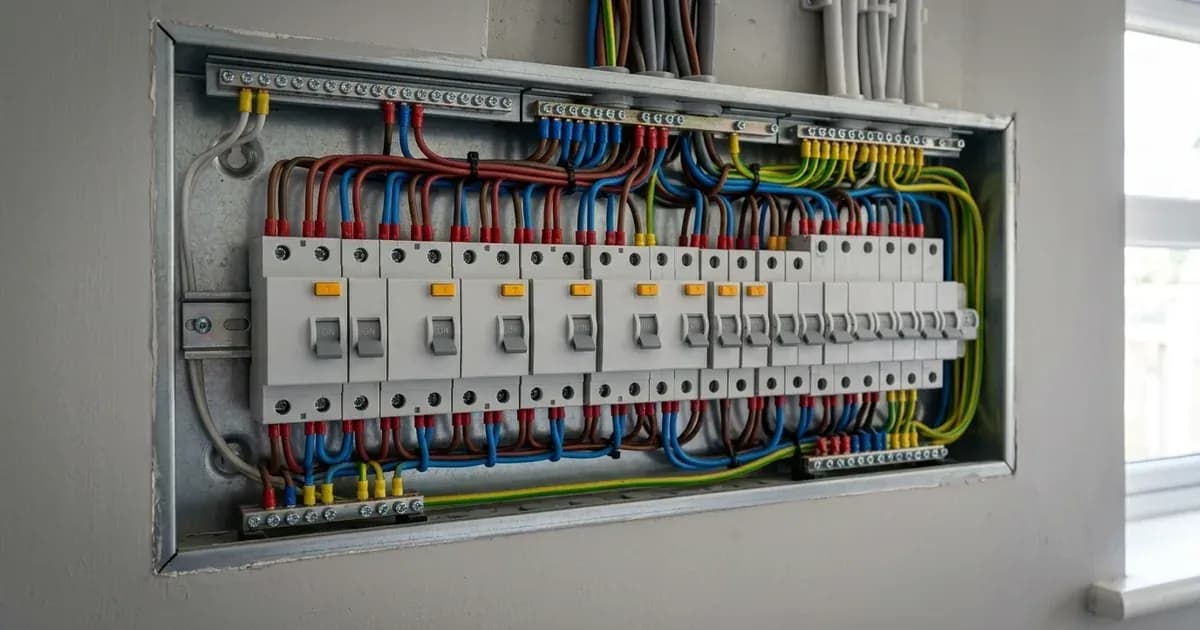
Key Takeaways
- RCD or RCBO nuisance tripping after a hybrid inverter installation is rarely the inverter's fault.
- Protection devices trip when detecting an imbalance between active and neutral currents.
- Dedicated circuit breakers for the inverter and isolated neutral bars for essential loads are crucial.
- Repeated tripping requires thorough circuit continuity and insulation testing by a qualified electrician.
Why your solar inverter causes RCD or RCBO nuisance tripping
When you install a hybrid solar inverter, you might experience your RCD (Residual Current Device) or RCBO (Residual Current Circuit Breaker with Overcurrent protection) tripping unexpectedly. Sunsynk states that this 'nuisance tripping' is rarely due to the hybrid inverter equipment itself. It is most likely a result of existing wiring within the electrical circuit of the property, or how the new inverter system integrates with it.
This issue often arises when adding additional hybrid inverters in parallel to an existing installation, or when the inverter and several sub-circuits share a single protection unit.
What is actually going on
RCDs and RCBOs are designed to protect you from electric shock by detecting small imbalances in electrical current. These protection devices work on a 'balanced' input output comparison. They operate by continuously monitoring the current flowing through the active (live) and neutral conductors of a circuit.
Protection devices trip when detecting an imbalance between active and neutral currents flowing through the toroidal core. In a healthy circuit, the current flowing out through the active conductor should exactly equal the current returning through the neutral conductor. If there is a difference, it indicates that some current is leaking to earth, potentially through a person, and the device quickly cuts power.
When a hybrid inverter is introduced, it can expose pre-existing wiring issues or create new conditions that lead to these imbalances. For example, inverter high-frequency filtering components can create transient current pulses during sudden load switching events. These pulses, though small, can be enough to cause an RCD to trip if the electrical circuit is not correctly configured or has underlying issues.
Resolving RCD and RCBO nuisance tripping
Addressing nuisance tripping typically involves ensuring your electrical installation is correctly configured for a hybrid inverter system. These steps focus on isolating circuits and ensuring proper earthing and neutral management.
Trigger / Fault Mechanism | Electrical Phenomenon | Remediation & Compliance Practice |
|---|---|---|
Shared Protection Units | Inverter and sub-circuits sharing a single RCD/RCBO | Feed hybrid inverter from its own dedicated circuit breaker |
Neutral Mixing | Shared neutral between grid and essential backup loads | Provide dedicated, isolated neutral bar for essential load output |
Cumulative Earth Leakage | Multiple appliances combining small leakage currents above trip threshold | Separate branch circuits and install individual dedicated RCBOs |
High-Frequency Filter Transients | Switching pulses from inverter filter capacitors during rapid load changes | Isolate inverter feed and test circuit balance under load |
Pre-existing Wiring Faults | Degraded insulation or legacy wiring imbalances exposed by inverter | Conduct continuity and insulation resistance testing per SANS 10142-1 |
What you can check yourself, and what you cannot
As a homeowner, you can observe the conditions under which your RCD or RCBO trips. Note if it happens when specific appliances turn on, during certain times of day, or after a particular load-shedding event. This information can be valuable for a qualified professional. You can also ensure that all appliances are correctly plugged in and that there are no obvious signs of damage to cables or sockets.
However, you must not attempt to diagnose or fix electrical wiring issues yourself. Inverter supply wiring must be isolated and tested before resetting tripped breakers. Never bridge or bypass an earth leakage protection unit. Working inside your distribution board, modifying wiring, or testing circuits requires specific training, tools, and adherence to safety standards. In South Africa, such work must be performed by a registered person, and any modifications to your electrical system require a Certificate of Compliance (CoC) to ensure safety and legality.
What the published sources do not tell you
The provided Sunsynk documentation focuses on common causes and solutions for RCD/RCBO nuisance tripping related to wiring and installation practices. It does not provide specific details on the benefits of upgrading to Type A or Type B RCDs, beyond mentioning their existence. While these types of RCDs are designed to handle different types of leakage currents (e.g., pulsating DC components from electronic devices), the document does not elaborate on which type might be more suitable for a solar inverter installation or how to assess this need.
Furthermore, the document does not detail specific fault codes related to RCD tripping from the inverter itself, as it asserts the inverter is rarely the root cause. It also does not provide a step-by-step diagnostic flow chart for electricians, instead relying on general principles of circuit testing and compliance. The document mentions NRS 097-2-1 as a sourcing anchor but does not provide specific rules or guidance from this standard within the troubleshooting advice.
Frequently asked questions
Why does my RCD or RCBO trip when I install a solar inverter?
Sunsynk states that this 'nuisance tripping' is rarely due to the hybrid inverter equipment itself. It is most likely a result of existing wiring within the electrical circuit of the property, or how the new inverter system integrates with it.
How do RCDs and RCBOs detect an electrical fault?
These protection devices work on a 'balanced' input output comparison. They trip when detecting an imbalance between active and neutral currents flowing through their toroidal core, indicating a leakage to earth.
What is the best practice for wiring a hybrid inverter to prevent tripping?
Best practice requires feeding the hybrid inverter from its own dedicated circuit breaker rather than sharing multi-circuit protection units. Additionally, all backup circuits supplied from the inverter's essential load output must have their own dedicated, isolated neutral bar.
Can capacitor filter currents in an inverter cause RCD tripping?
Yes, inverter high-frequency filtering components can create transient current pulses during sudden load switching events. These pulses can sometimes contribute to an imbalance that causes an RCD or RCBO to trip.
When should I call a qualified electrician for RCD nuisance tripping?
Installations experiencing repeated nuisance tripping require thorough circuit continuity and insulation testing by a qualified installation electrician. All sub-distribution board modifications must comply fully with South African national standard SANS 10142-1 wiring rules.
References
- Sunsynk Technical Support RCD Nuisance Tripping Guide — accessed 27 August 2026
Related guides
More from inverter errors & fixes.